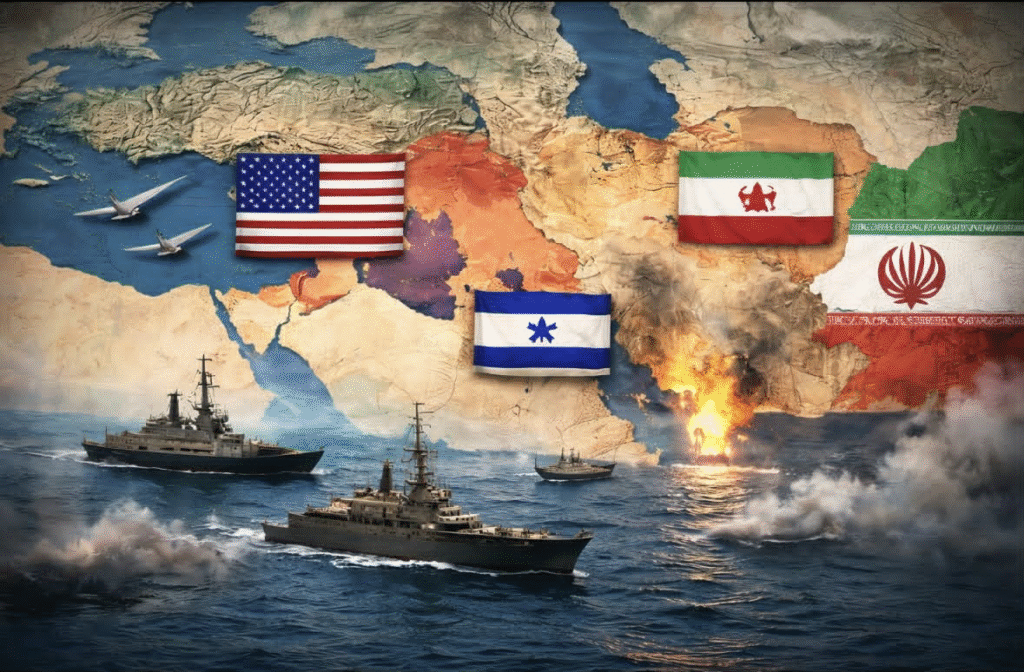
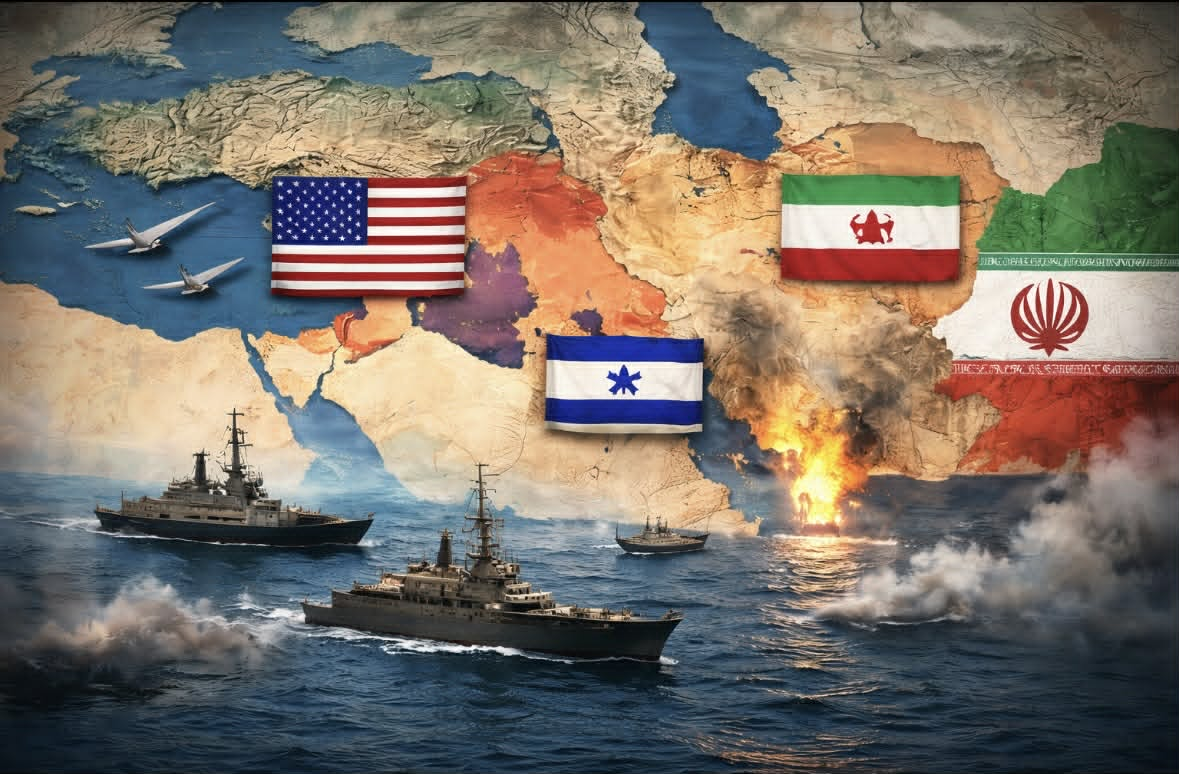
A new phase of geopolitical instability is emerging in the Middle East, as relations between the United States, Iran and Israel continue to deteriorate. Recent developments indicate a pattern of escalation, with reports of military positioning, indirect confrontations, and heightened alert levels across multiple strategic areas. Security analysts suggest that the situation is becoming increasingly fragile, as each side appears unwilling to back down. While direct large-scale conflict has not yet materialized, the accumulation of smaller incidents raises concerns about a possible chain reaction that could destabilize the entire region.
One of the most sensitive elements in this crisis is the potential disruption of global energy supply routes. The Middle East remains a key hub for oil transportation, and any instability near critical maritime passages could have immediate consequences for international markets. In recent days, fluctuations in oil prices have already reflected growing uncertainty among investors. Diplomatic efforts are ongoing, with global powers urging restraint and renewed negotiations.
However, the lack of mutual trust continues to limit progress. If tensions persist at the current level, experts warn that the consequences could extend far beyond the region, affecting economic stability and international security.