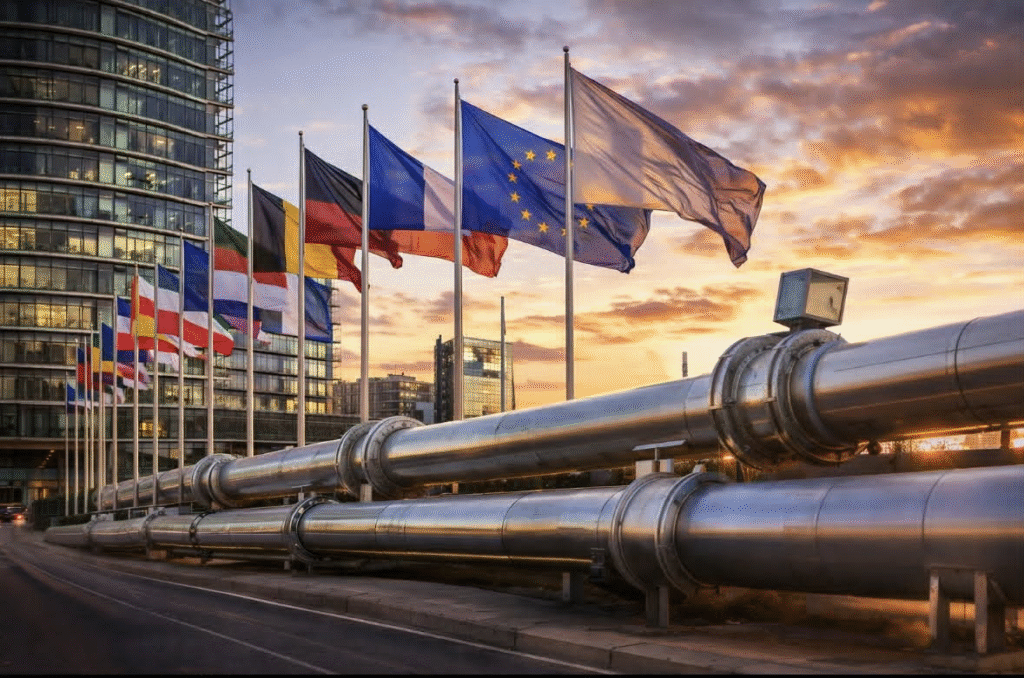
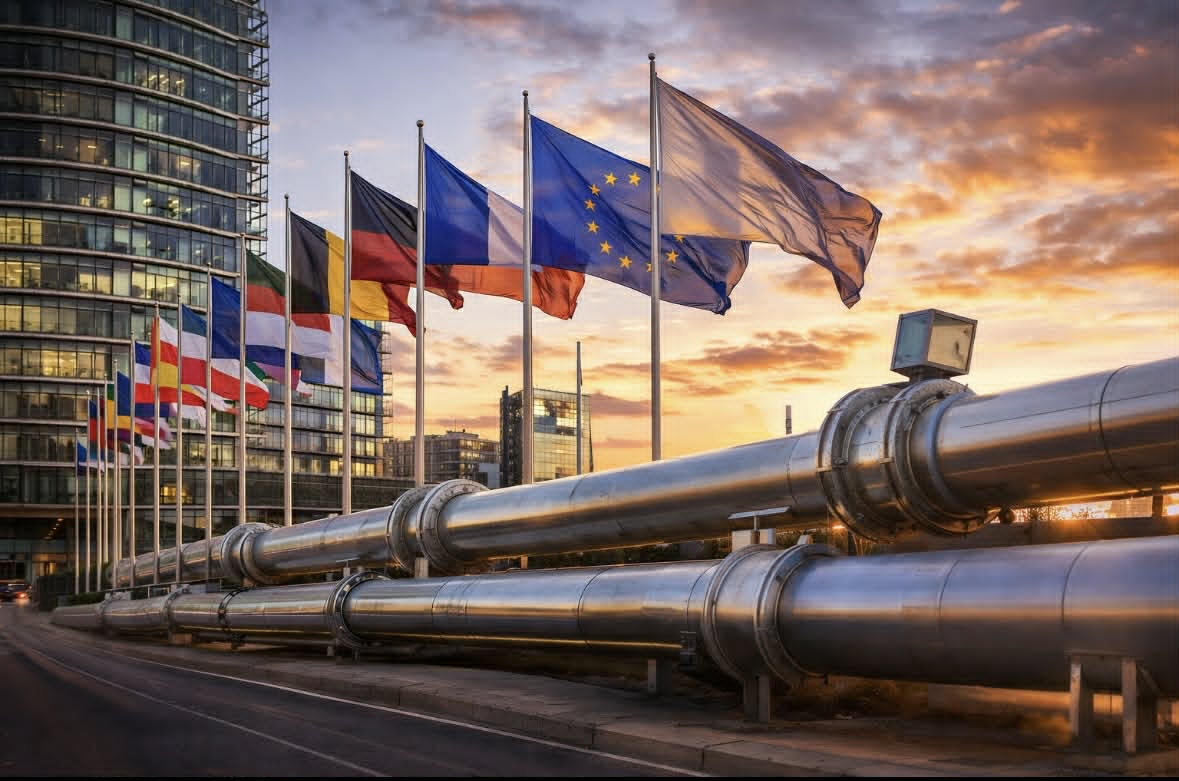
The European Union is entering a critical phase in its ongoing effort to reshape energy policies, as economic pressures and fluctuating market conditions continue to affect both governments and consumers across the bloc. Officials in Brussels are increasingly focused on balancing affordability with long-term sustainability goals. Rising electricity prices, concerns over supply stability, and the broader economic slowdown have pushed energy policy back to the top of the political agenda. As a result, EU institutions and member states are now exploring a combination of regulatory adjustments and fiscal measures aimed at stabilizing the market.
Among the proposals being discussed are revised taxation frameworks for energy companies, targeted subsidies for households, and new incentives to accelerate the transition toward renewable sources. While some policymakers argue that stronger intervention is necessary to protect consumers, others warn that excessive regulation could disrupt investment and slow innovation in the energy sector. The debate also reflects deeper divisions within the European Union.
Countries with different energy dependencies and economic structures are approaching the issue from varying perspectives, making consensus more complex. Nations heavily reliant on imports are prioritizing energy security, while others are pushing for faster implementation of green transition targets. Analysts note that the outcome of these discussions could have long-term implications not only for Europe’s economy but also for its global competitiveness. A well-balanced policy could strengthen resilience and attract investment, while missteps might lead to prolonged uncertainty in already sensitive markets. As negotiations continue, the European Union faces the challenge of designing a strategy that addresses immediate economic concerns while remaining aligned with its broader climate commitments. The coming months are expected to be decisive in shaping the future direction of Europe’s energy landscape.