


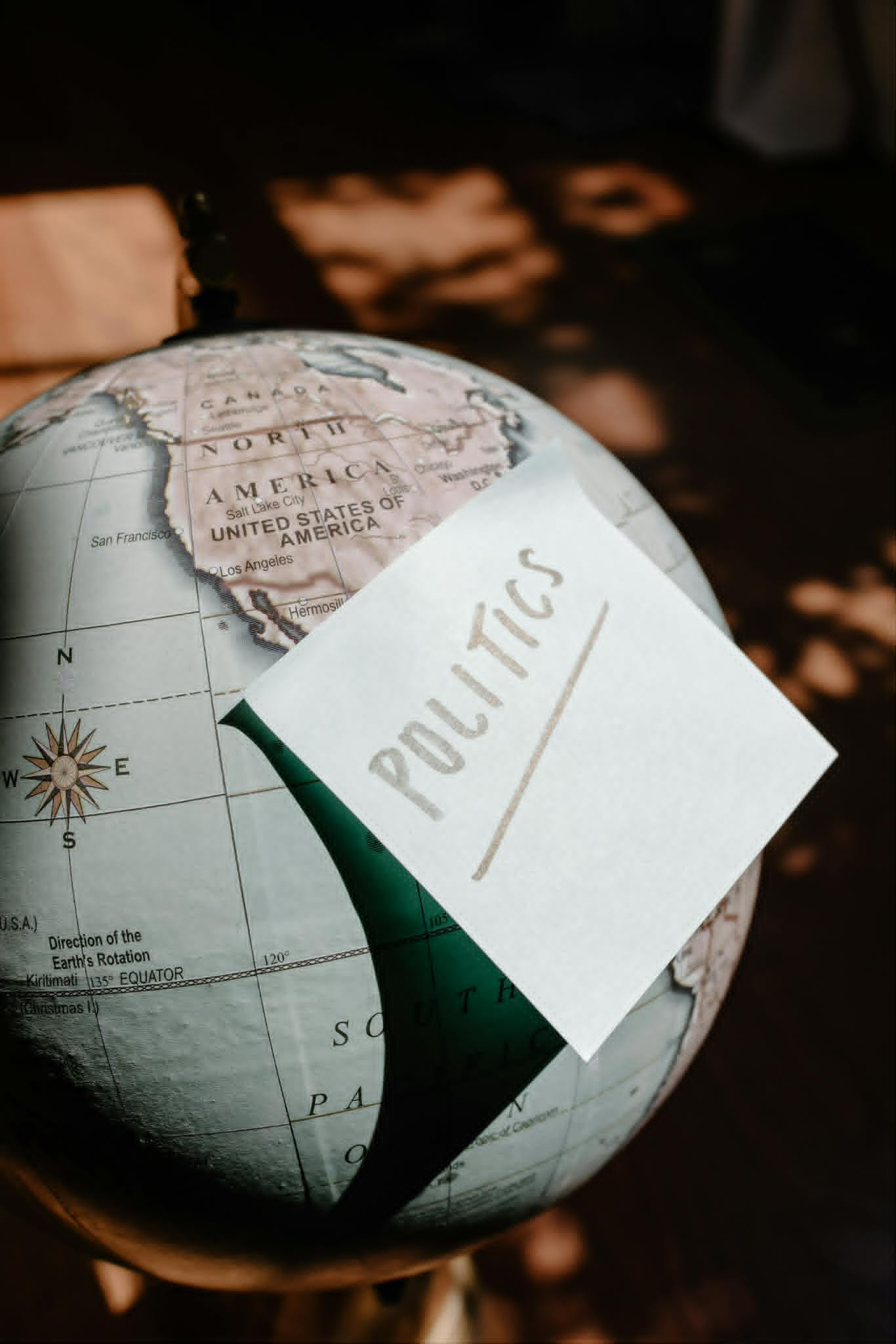
The international political environment is currently undergoing a period of heightened complexity, as countries navigate a range of interconnected challenges. From shifting alliances to strategic competition, global politics is increasingly defined by both cooperation and cautious rivalry. Recent diplomatic engagements have highlighted efforts by world leaders to address key issues, including regional security, trade relations, and technological development. High-level meetings and negotiations are taking place across multiple regions, reflecting the urgency of maintaining stability in a rapidly changing world. However, progress has not been uniform.
Differences in national priorities continue to shape the pace and outcome of negotiations. In some cases, long-standing disputes remain unresolved, while new areas of tension—such as cyber security and energy dependence—are emerging. Domestic factors are also influencing international decision-making. Governments are balancing external commitments with internal pressures, including economic performance, public opinion, and social stability. Analysts suggest that this period could prove decisive in shaping the future of global relations. Successful diplomacy could lead to greater cooperation and shared progress, while continued disagreements may result in increased fragmentation. As developments unfold, the role of dialogue, compromise, and strategic planning remains central to maintaining global balance.
